Australia’s Capital Cities See Another Year of Price Growth
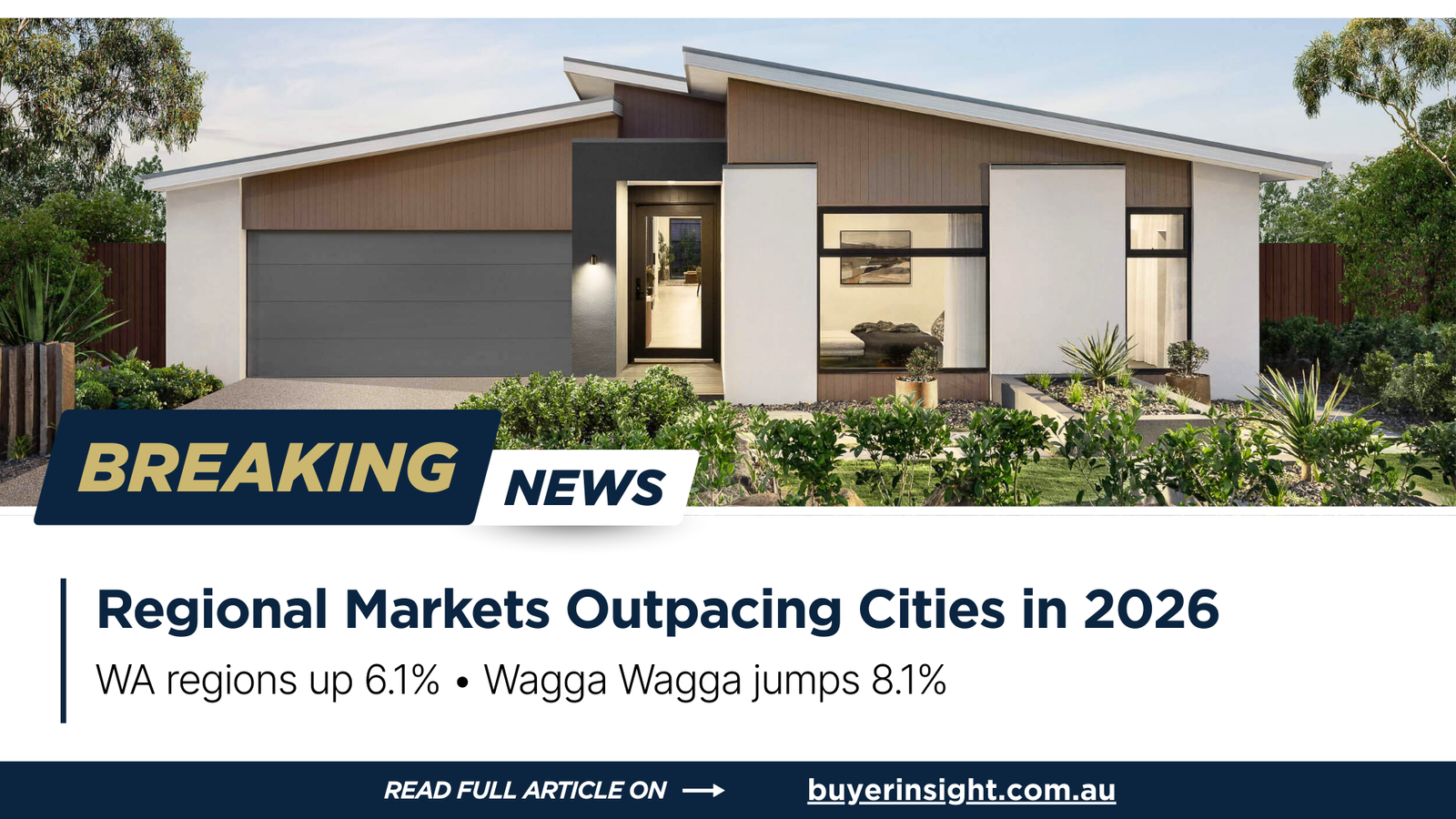
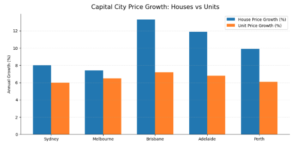
Australia’s capital cities saw record price growth in 2025. Domain reports combined capitals rose about 9.6% (median) for the year, the 12th straight quarterly rise. In fact, six of our eight capitals now have median house prices over $1 million. Perth just joined the “million-dollar club” after a 9.9% jump in late 2025. Melbourne is back in growth (about +7.4% for the year), and Brisbane and Adelaide saw double-digit gains (Brisbane ~+13.3%, Adelaide ~+11.9%). Unit markets are rising too (up ~6.8% nationally). In short, prices are climbing broadly, driven by low supply and strong demand.
Key Market Trends You Need to Keep in Mind
- Record highs across the board. Combined city house prices surged 9.6% in 2025, with all capitals (except Canberra) at all-time highs.
- Million-dollar capitals. Six capitals now have median houses above $1 million (Perth just crossed $1.0M after its 9.9% spike).
- Widespread growth. Melbourne’s market rebounded strongly (+7.4% in 2025), and smaller capitals (Brisbane, Adelaide, Perth, Darwin) led the surge.
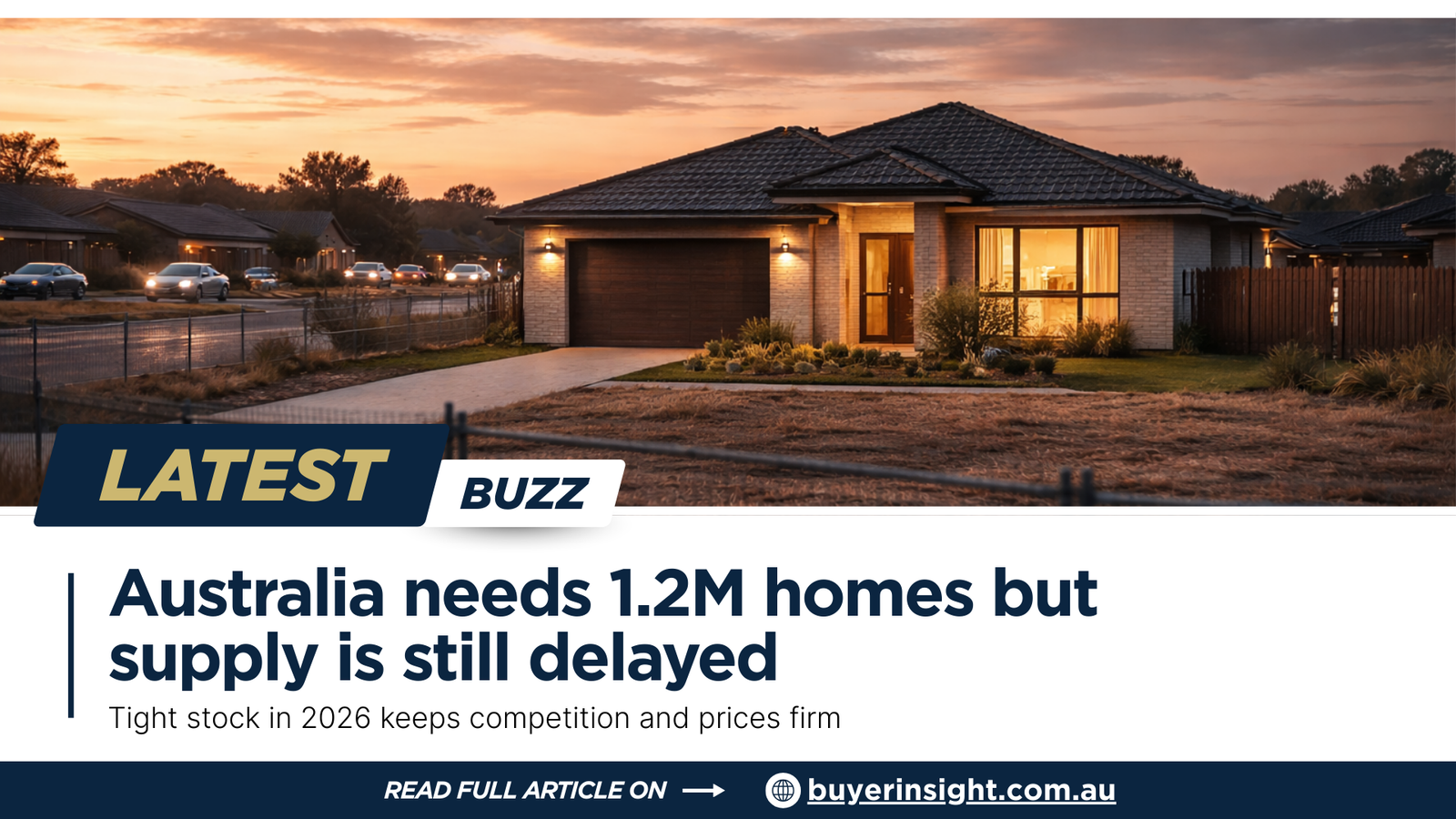
- Tight supply. Analysts note persistent low inventory – this sellers’ market is fuelled by high clearance rates and stiff competition.
- Houses vs units. Even with rising prices, most buyers still prefer standalone houses. Land, space and future growth continue to outweigh the short-term savings that units may offer.
What it means for buyers
As a buyer’s agent, these trends are making the market tougher for home-hunters. More buyers chasing fewer homes means you must be prepared. Tight supply and rising prices mean competition is heating up – expect bidding wars at auctions and fast-moving offers. “Affordable” markets are shrinking fast: even Perth (once cheap) now has $1M+ houses. First-home buyers and investors must adjust budgets accordingly.
The house-versus-unit gap is widening. The price gap between houses and units is becoming more noticeable in many cities. In markets like Sydney, a detached house can cost significantly more than an apartment, which is why some buyers are widening their search to include units. At the same time, well-located apartments—especially in inner-city areas—are attracting strong interest, so competition isn’t limited to houses alone. The right choice really comes down to your budget, lifestyle and long-term plans. For some buyers, a house still makes sense for space and future flexibility; for others, a unit can be a practical entry point. Either way, understanding where demand is building helps buyers make informed, confident decisions. If you’re budget-conscious, consider higher-density living, but be ready to act, as investors and first-timers are chasing them too.
Don’t wait too long. With prices rising ~9–13% per year in many markets, each month you delay can add tens of thousands to your budget. If you wait a year, a home that was $800K might cost $880K. In this environment, a clear strategy beats rushing. Instead of scrambling, work out your price range (get finance pre-approval), shortlist target areas, and be ready to move when a suitable property appears. A buyer’s agent’s job is to help you do exactly that – crunch the numbers, research local trends, and execute the plan smoothly.
Next Steps to Take for a Better Future
Ready to navigate this changing market? At Buyer Insight, we guide both first-home buyers and investors through these shifts. We’ll assess your borrowing power, help pinpoint suburbs that match your budget and risk profile, and negotiate on your behalf. Speak with our team today: call +61 468 444 478 or book a free 30-minute consultation. For more tips and updates, follow Buyer Insight on Instagram and connect on LinkedIn.